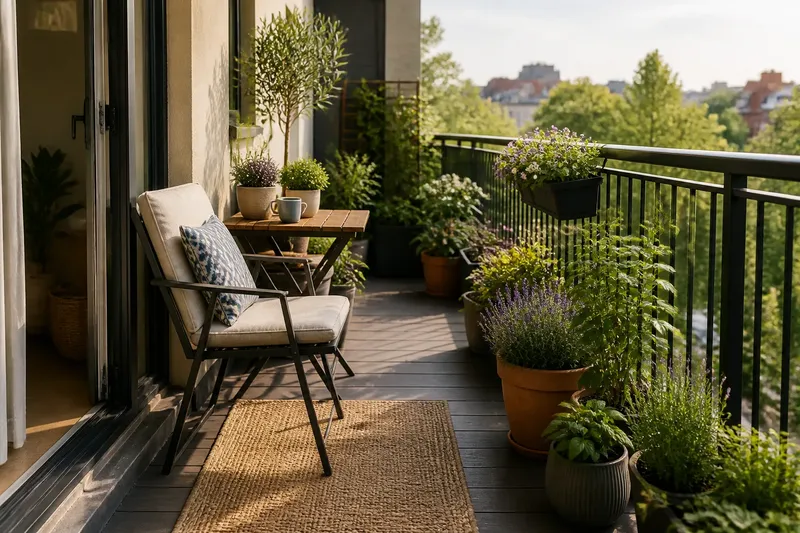
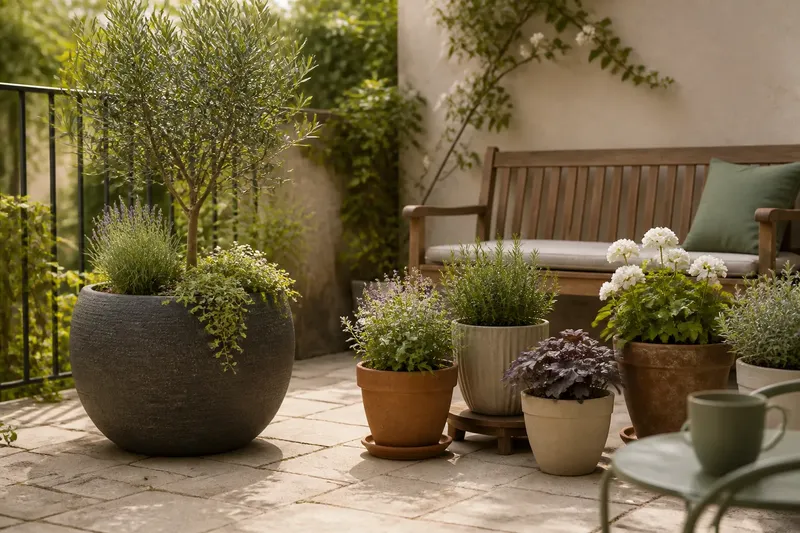
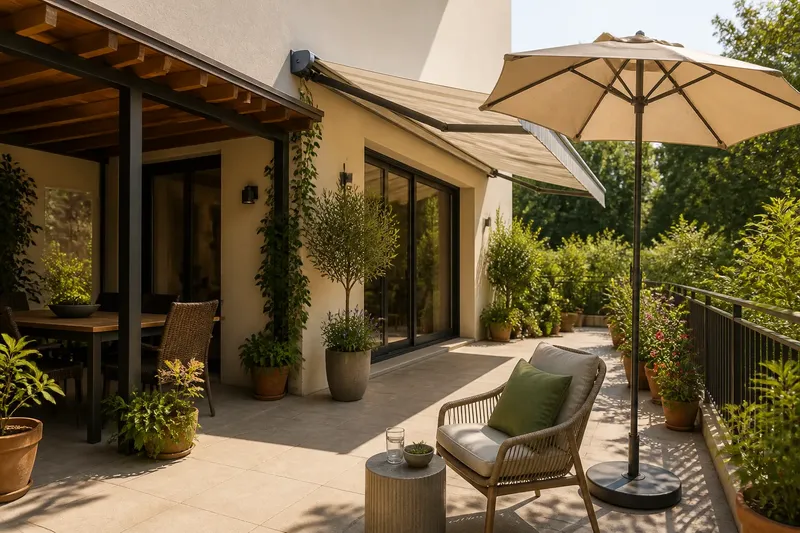
The Patio That Only Works for Guests
Plan a patio for everyday use with seating, surfaces and storage that support quiet breaks and daily tasks while leaving room to welcome guests.
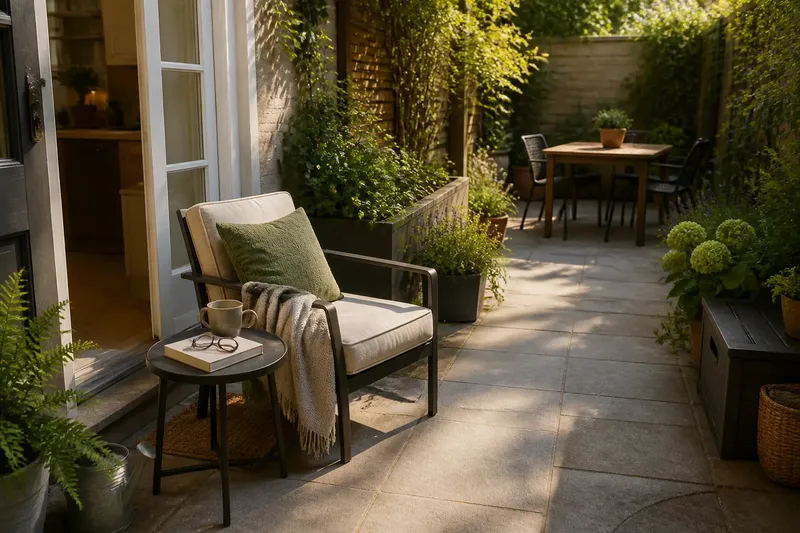
How can you make a patio comfortable for an ordinary cup of tea, not just a gathering? Planning a patio for everyday use means giving familiar activities a convenient place before arranging the space for guests. A chair you can reach easily and a safe spot for a mug may matter more than a large dining set.
Guest seating still has its place. The aim is to make it easy to bring out when needed without letting it occupy the patio every day. Start with a layout that feels complete when you are alone, then decide what can be added for company.
Give the most useful spot to daily activities
Choose a place for the activity you most want to make comfortable. A seat near the kitchen door suits a short tea break; a quieter corner may work better for reading. Consider the route from indoors, the view from the chair and whether you can reach a book or drink without balancing it awkwardly.
Include the needs of other people who use the patio. Someone may want room to tend pots while another sits nearby. Keep the layout legible: leave a clear route to the door and avoid placing everyday items where they turn a walkway into an obstacle.
Say you have a patio with one dining table near the back door, and you often want to sit outside with tea before work. Imagine moving an existing comfortable chair beside the door and placing a firm, stable side table next to it. The cup now has a safe surface and the chair is ready without shifting the dining set. If the spot still feels unpleasant, the problem may be sun, wind or noise rather than the furniture arrangement.
Choose furniture that earns its space
Match the seat to the length and kind of visit. A dining chair may be fine for a brief pause, while a chair with a supportive back may suit a longer read. A lounge chair can feel inviting, but it may crowd a narrow patio or block access to pots and doors.
Before buying anything, try furniture you already own in the intended position. Use a cardboard box to suggest the footprint of a side table, and check whether the route past it remains comfortable. If the chair is awkward to reach or the table interrupts the path, try another position or choose a smaller piece.
Surfaces matter as much as seats. A small table can hold a mug, glasses or gardening gloves; a tray is easier to move indoors when the visit ends. Pick a solution that stays steady on the patio surface and does not make the space harder to cross.
Keep everyday comforts close without creating clutter
Cushions, a light blanket, a book or a watering can can make an outdoor break easier. Their storage should be close enough that fetching them does not become a nuisance, but sheltered enough to keep them in usable condition. A lidded box or storage bench may help, provided it does not obstruct the door or the seat.
Give frequently used objects a simple home. A hook beside the door can hold a garden apron, and a tray can gather a book and reading glasses. Avoid filling the patio with accessories that serve no clear routine. It is not worth buying a matching set of outdoor objects before you know which ones you reach for.
Make room for guests without making the patio wait for them
Keep spare chairs folded or stacked in a place where you can retrieve and return them easily. Follow the maker’s instructions for stacking or storing them. A lightweight stool can serve as an extra seat or occasional surface, while a bench can remain useful for one person between visits.
Choose guest furniture for the gatherings you actually have. A relaxed visit may need only another chair and a place for drinks; a meal may call for a table. If a large table rarely serves a purpose, consider whether a smaller or foldable option would leave more room for the patio’s everyday use.
In a compact space, a bench can provide both a quiet seat and occasional guest seating. In a larger courtyard, a dining area and a separate chair can coexist. In either case, keep the daily arrangement ready and add the extra pieces only when company comes.
Check the layout with these practical decisions
- Route to the door: If a chair or table narrows the path or makes the door awkward to use, move it or choose a smaller piece; if the route stays clear, keep the position.
- Place for a drink: If your mug has no stable surface, add a small table or use a steady tray; if an existing surface is within reach, do not add another.
- Seat comfort: If the chair feels suitable for the activity, keep it; if you avoid sitting in it, try another chair or position before replacing furniture.
- Useful storage: If cushions or books are repeatedly left out or fetched from indoors, add nearby sheltered storage; if they already have a convenient home, leave the arrangement alone.
- Guest seating: If spare chairs can be brought out and put away without moving the everyday seat, keep the storage spot; if they block a route, store them elsewhere or use fewer chairs.
- Weather exposure: If the usual seat is uncomfortable in the sun or wind, try a movable position or suitable shade; if it remains pleasant at the times you use it, avoid adding unnecessary covers or structures.
Which patio arrangement suits everyday use?
Should I keep a dining table on the patio?
Keep it if outdoor meals or another regular activity make it useful. If it stands unused and restricts movement, try a smaller or foldable surface while preserving a place to sit.
How can I make a small patio comfortable for one person?
Choose a seat that suits the activity, place a stable surface within reach and keep the route clear. A compact chair and side table can make a small area feel ready without dividing it into formal zones.
Where should I store spare patio chairs?
Choose a sheltered spot that does not block a door or walking route, and follow the chair maker’s storage guidance. If the chairs are awkward to retrieve, a different storage place or a smaller number of spares may work better.
What can I do if there is no room for separate areas?
Choose furniture that serves more than one purpose, such as a bench used for a quiet break and extra seating. If one piece makes daily use uncomfortable, prioritise the activity you want the patio to support most often.
Let the everyday arrangement feel complete
A patio need not look as though it is waiting for visitors. Keep the chair, table and useful comforts in their ordinary places, then bring out serving pieces and spare seats when needed. For patio everyday use, the best arrangement is one that lets you sit down and begin without first clearing a space or fetching half the house.
When the layout feels settled, leave it alone unless a real obstacle appears. A clear path, a comfortable seat and a surface for the things you carry outside are often enough; resisting extra furniture can be as useful as adding the right piece.