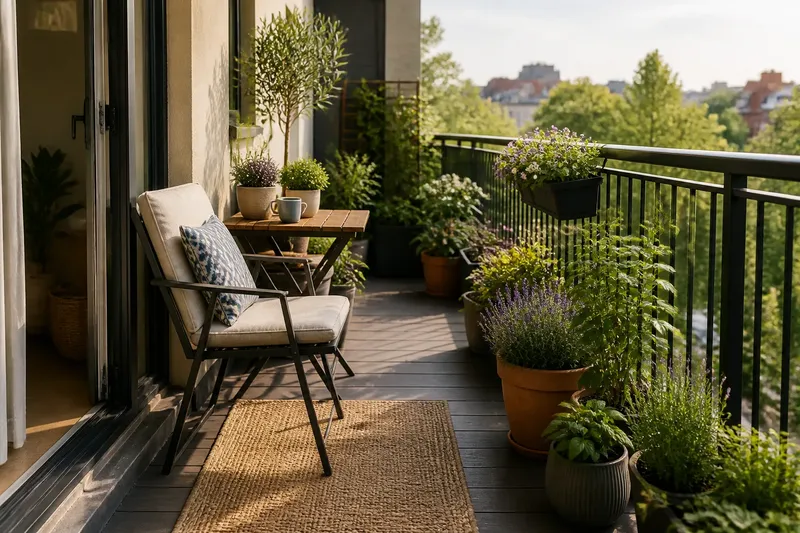
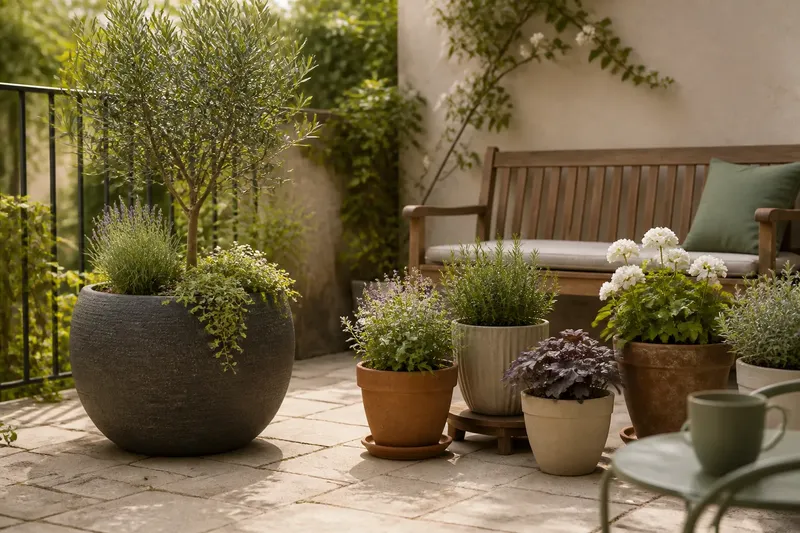
A First Cool-Season Reset for the Patio
A cool-season reset for the patio keeps useful comforts close, protects vulnerable items and leaves settled planting undisturbed through colder weather.
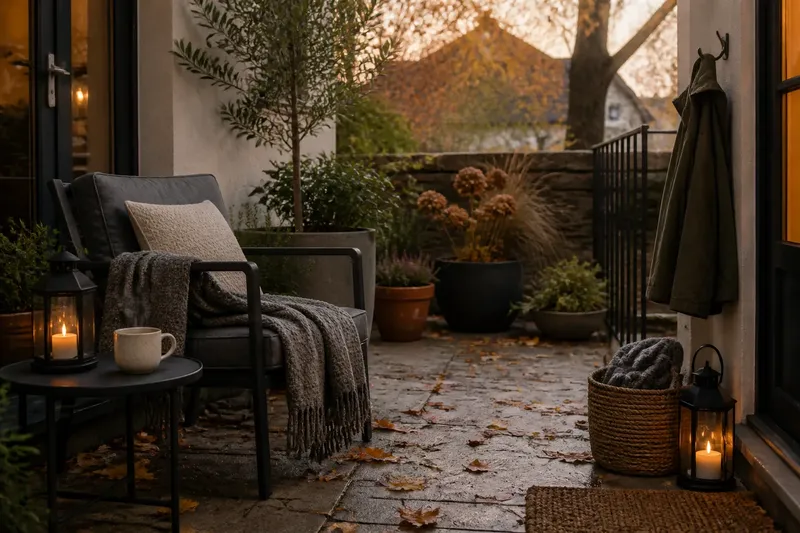
What should stay within reach when the patio turns cool, and what can wait in storage? A cool-season reset for the patio is less about packing everything away than noticing which parts still earn their place in an ordinary week. A chair for a bright lunch break, a lantern for early dusk and a dry place for cushions may matter more than an empty terrace.
Think of this as a short series of field notes, not a full seasonal overhaul. The aim is to keep the patio comfortable enough to use and straightforward to maintain, without creating work for days when the weather keeps you indoors.
Keep the habits that still fit
Before lifting a cushion or moving a pot, notice how you use the space. Do you step outside with a mug in the morning? Sit by the back door to take a phone call? Let a dog out or check the herbs while dinner cooks? These small routines are a better guide than an imagined winter version of the patio.
Keep the objects that support those habits accessible. A chair made comfortable with a folded wool blanket may stay useful after the outdoor dining set stops earning its space. A side table can hold a cup, gloves or a small tray without becoming a dumping ground.
Say you still sit outside after work, but the low sun catches your eyes and the seat feels chilly. You move the chair beside a sheltered wall, keep a washable blanket in an indoor basket and leave a lantern on the table. The result is a place for a brief pause, without making the rest of the patio more elaborate than necessary.
In a shared household, ask each person to name one outdoor habit they want to keep. That can prevent a seasonal reset from becoming one person’s tidy-up imposed on everyone else. If an item serves no remaining routine and has no clear job, consider moving it indoors or into storage.
Keep a small comfort station close
Cooler weather changes the small things that make an outdoor pause pleasant. A dry cushion, a warm layer and a reliable light source can be more useful than a large rearrangement. Choose a simple landing place just inside the door: a basket for a folded blanket, a hook for a coat or a tray for a lantern that comes back indoors after use.
Use the cushion’s care instructions to decide whether it can remain outside. If it is not intended for damp or frost, bring it in or use a suitable storage box. A breathable cover helps only when it suits the item and setting; loose plastic can trap moisture.
Choose lighting that suits your routine. A rechargeable lantern can be carried in and out. A candle lantern may suit a sheltered table when used responsibly. Do not leave flames unattended, and keep lights, cords and charging equipment away from wet conditions unless their labels say they are suitable for that use.
It is not worth leaving a collection of blankets, cushions and accessories outside just to make the space look season-ready. More soft items mean more dampness to manage and more trips back and forth. Keep one useful layer close and store the rest where it will stay clean and dry.
Store only what needs protection
Let the material, exposure and likely next use guide storage. A lightweight folding chair may be easier to leave in a sheltered corner than carry indoors each evening. A fabric hammock, parasol or delicate cushion may need a dry indoor place once it is no longer in regular use.
Group items by how often you expect to retrieve them. Put occasional-use pieces, such as a spare tablecloth or serving tray, further back. Keep things you may want on a mild afternoon near the front of a cupboard or in a clearly labelled box. A simple label naming the contents is more helpful than an elaborate system of containers.
Before storing items, let damp pieces dry and brush away loose soil or leaves. Fold fabric loosely rather than pressing it into a crowded container. Avoid stacking furniture in a way that strains its legs or traps water between surfaces. These modest habits make it easier to retrieve things without sorting through a jumble when a sunny spell arrives.
Storage does not always mean indoors. A weather-resistant box can be convenient on a patio, but it should suit its exposure and sit where its lid can open without blocking access. If the only available spot is exposed to driving rain, keeping soft goods inside may be the less fussy choice.
Leave settled planting undisturbed where possible
A cool spell can make every faded leaf look like a prompt to tidy. Resist treating the whole patio as a clearance job. Some plants are entering dormancy; others may still be growing slowly. A quiet-looking pot is not necessarily ready for a hard cut-back, and a dry surface does not always reveal what is happening around the roots.
Remove leaves that are visibly diseased or have collected in a way that blocks drainage, and clear debris from saucers where water is standing. Otherwise, avoid pruning or repotting simply because the season has changed. A plant’s needs, its container and its care guidance matter more than a universal autumn rule. For valuable or unfamiliar plants, ask a local nursery or qualified horticultural adviser.
Check containers for stability before gusty weather becomes routine. If a tall, lightweight pot is exposed, consider a more sheltered position; a heavy planter may be best left alone. Move a pot only if the route is safe and the plant can tolerate the change. A quieter patio is not a reason to redesign every grouping.
Leave a little natural texture if it causes no harm: seed heads, a weathered branch or a few fallen leaves beneath a shrub can make the patio feel less bare. Keep drains and doorways clear, though. The useful distinction is between deliberate quiet and debris that creates a nuisance.
Keep surfaces manageable in wet weather
Wet leaves can make paving slippery and may stain some surfaces if left for a long time. Clear leaves from drains and check for visible patches of moss or grime where you walk or place furniture. A hand brush suits a small patio; a stiff outdoor broom is useful across a larger paved area. Choose a brush suited to the surface and avoid aggressive cleaning that could damage stone, timber or grout.
Notice where rainwater collects after a shower. A small puddle beside a table leg may be harmless, while water gathering against a threshold or remaining on a surface can deserve attention. Do not attempt structural repairs or drainage alterations without appropriate advice. For a routine reset, keep leaves out of existing drains and note persistent problems for a suitable tradesperson or property manager.
Metal furniture can be wiped dry after rain, and timber benefits from being kept free of wet leaf piles. Do not apply a new coating or treatment just because cooler weather has arrived; the product instructions and material determine whether it is suitable and when to use it. A visual check can help you decide whether deeper maintenance has a real reason to happen now or can wait.
What should stay, move or wait?
Should outdoor cushions be brought inside?
Bring them in if their fabric or filling is not intended for prolonged damp, or if the patio has no sheltered place where they can dry. If they are made for outdoor exposure, follow the care label and avoid leaving them in standing water.
Can patio furniture remain outside in cool weather?
Furniture can remain outside if its materials suit the conditions and it is stable in its position. Check the maker’s care guidance, and move lightweight pieces to shelter if wind regularly catches them.
Should every plant be cut back before winter?
No. Different plants respond differently to pruning, and some are better left undisturbed until growth resumes. Identify the plant and check reliable local care guidance before making a substantial cut.
What is a useful quick patio reset?
Put vulnerable soft furnishings somewhere dry, keep one comfortable seat and a suitable light accessible, and clear leaves from drains. Then leave the rest alone unless you have spotted a specific problem that needs attention.
Let the reset stay small
A useful seasonal plan fits on a short note. Write down what stays accessible, what needs dry storage and what you will leave alone until warmer days return. Add a maintenance task only when you can name a real reason, such as a blocked drain or a cushion that cannot stay damp.
There is no need to buy a new box, cover or lighting set merely because the weather has shifted. Use storage you already have if it keeps items dry and reachable. A chair moved out of the wind, a clear drain and permission to leave the rest as it is may be enough for a cool-season patio reset.
When a mild day comes, bring out only what you want to use. Notice what has stayed in good condition and adjust any small routine that no longer fits. That lets the patio remain part of home through the quieter season without turning every change in weather into another project.